

PTSD and complex PTSD in ICD-11: key differences
CPTSD is not simply a "more severe form of PTSD." In ICD-11, it is described as a distinct clinical profile that includes the core symptoms of post-traumatic stress disorder together with persistent difficulties in emotion regulation, self-concept, and interpersonal relationships. This is one of the important changes introduced in the classification of stress-related disorders, as it provides a more precise description of people whose trauma has affected not only their memories of the event and their sense of threat, but also how they experience themselves and relate to others.[1]
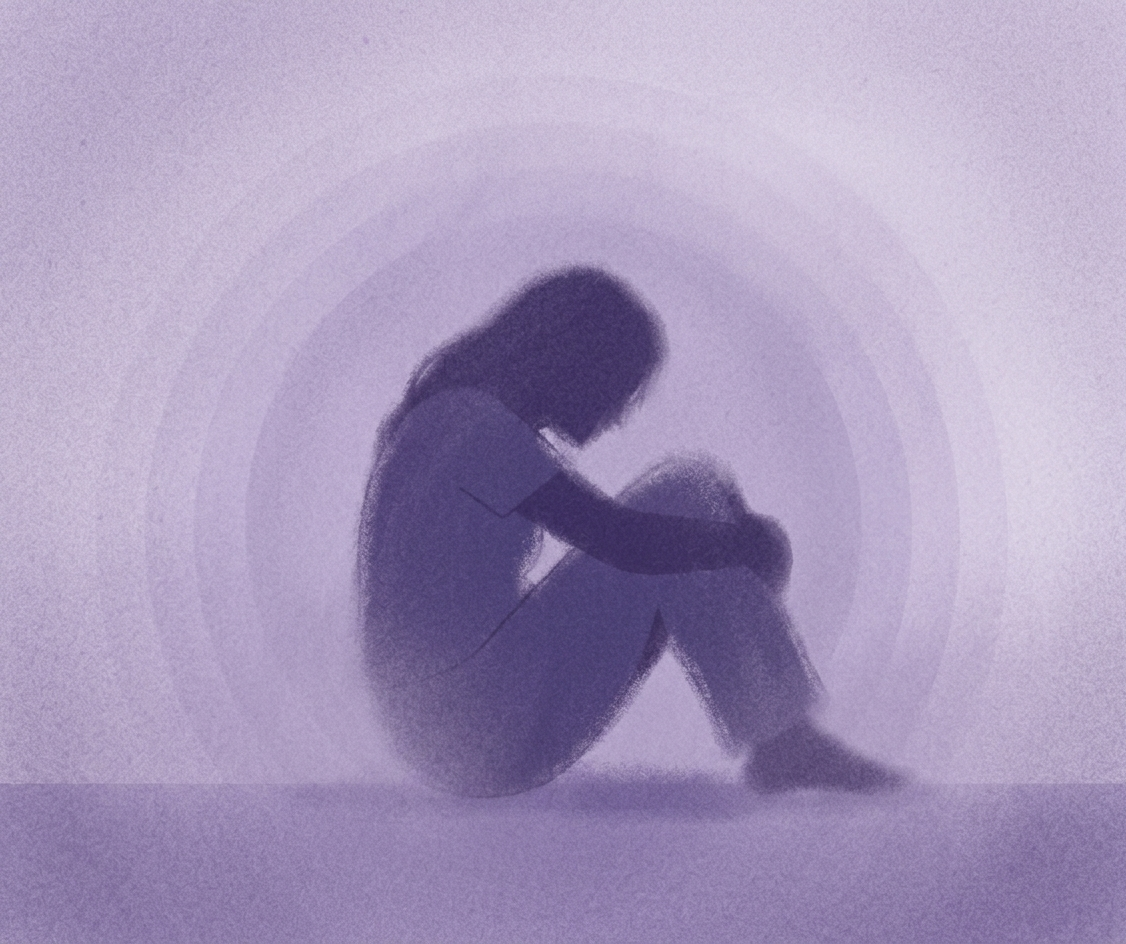

ICD-10 did not include a separate category for CPTSD. As a result, people experiencing more extensive and persistent consequences of trauma could be described using other diagnostic categories that did not capture the full clinical picture as specifically.
What changed from ICD-10?
In ICD-10, PTSD, coded F43.1, primarily described the classic response to a traumatic event.[2] Its clinical picture included re-experiencing, avoidance, and symptoms associated with heightened arousal and vigilance. However, ICD-10 did not contain a separate category for people whose prolonged or repeated exposure to trauma was associated with broader and more persistent difficulties in emotional, interpersonal, and self-related functioning.[3]
ICD-10 also included enduring personality change after catastrophic experience (F62.0). This category described lasting changes in personality following severe experiences, but it did not correspond directly to the specific symptom profile now captured by CPTSD. ICD-11 takes a different approach by retaining PTSD as a distinct diagnosis while introducing a separate category for CPTSD.[4]
This distinction can be clinically useful because it separates the core symptoms of PTSD from additional, persistent difficulties involving emotional regulation, self-concept, and interpersonal functioning.
Importantly, a history of prolonged trauma is not sufficient to diagnose CPTSD. The diagnosis depends on the current symptom pattern and its impact on functioning, rather than on the type of traumatic event alone.
Classic PTSD in ICD-11: three core symptom clusters
In ICD-11, PTSD is characterised by three core symptom clusters. All three are required for the diagnosis.
The first cluster is re-experiencing the traumatic event in the present. This is different from simply remembering or thinking about what happened. The experience has the quality of the event occurring again in the present. It may involve intrusive images, nightmares, flashbacks, or dissociative episodes in which the person partially loses awareness of the current situation.
The second cluster is avoidance of trauma-related reminders. This may involve external avoidance, such as avoiding places, people, conversations, or situations associated with the trauma. It may also involve internal avoidance, including attempts to suppress or push away memories, thoughts, or emotions related to the event.
The third cluster is a persistent sense of current threat. The person may remain highly vigilant, startle easily, have difficulty relaxing, or behave as though danger is still present even when the traumatic situation has ended.
Complex PTSD: PTSD symptoms plus disturbances in self-organisation
CPTSD includes the full core of PTSD, but it also involves three additional areas of persistent difficulty known as disturbances in self-organisation (DSO). These involve emotion regulation, self-concept, and interpersonal relationships.
The first area is significant difficulty with emotion regulation. Some people experience intense and difficult-to-control emotional reactions, including anger, impulsivity, panic, or self-destructive behaviour. Others may experience the opposite pattern, such as emotional numbing, emptiness, feeling emotionally frozen, or difficulty experiencing pleasure and closeness.
The second area is a persistently negative self-concept. This goes beyond a temporary decrease in self-esteem. It may involve deeply entrenched beliefs such as "I am worthless," "I am damaged," "it was my fault," "I do not deserve closeness," or "no one can truly accept me." Persistent shame, guilt, a sense of failure, or a lasting sense of being damaged may accompany these beliefs.
The third area involves persistent difficulties in interpersonal relationships. A person may avoid closeness, distrust others, anticipate rejection, or feel emotionally disconnected even from people they care about. Relationships may also become difficult to maintain when closeness is simultaneously desired and experienced as threatening.
These difficulties need to be persistent and associated with impairment in important areas of functioning. Temporary mood changes, occasional withdrawal, or short-term relationship difficulties following a stressful event are not sufficient for a diagnosis of CPTSD.
Key clinical differences
| Area | Classic PTSD (6B40) | Complex PTSD (6B41) |
|---|---|---|
| Post-traumatic core | Re-experiencing, avoidance, and a persistent sense of current threat are required | The same PTSD core is required |
| Emotion regulation | Difficulties may occur but are not part of the defining diagnostic requirements | Persistent difficulties with emotion regulation are part of the DSO profile |
| Self-concept | Negative beliefs about oneself may occur but are not a defining diagnostic requirement | Persistent negative self-concept is part of the DSO profile |
| Interpersonal relationships | Relationship difficulties may occur as part of the broader clinical picture | Persistent interpersonal difficulties are part of the DSO profile |
| Typical trauma context | Can follow a range of traumatic experiences | Often associated with prolonged, repeated, or difficult-to-escape trauma |
| Clinical picture | Primarily describes the core post-traumatic response | Includes the PTSD core together with broader difficulties in self-organisation |
What experiences may be associated with CPTSD?
CPTSD is often associated with traumatic experiences that are prolonged, repeated, or difficult or impossible to escape. These may include domestic violence, repeated sexual or physical violence, torture, captivity, childhood abuse, or situations in which the person was dependent on the perpetrator.
Trauma occurring within relationships of dependency may be particularly significant. Examples include abuse involving a child and caregiver, a dependent person and perpetrator, or an intimate partner relationship characterised by violence and dependency. In these circumstances, trauma may affect not only the person's sense of safety but also their self-concept, trust, and ability to establish and maintain relationships.
This does not mean that prolonged or repeated trauma inevitably leads to CPTSD. Different people may develop PTSD, depression, anxiety disorders, dissociative symptoms, substance-related problems, or other difficulties. For this reason, diagnosis cannot be based on the traumatic event alone. It requires assessment of the person's current symptoms and their impact on functioning.
Complex PTSD and borderline personality disorder
In clinical practice, CPTSD may sometimes be confused with borderline personality disorder because the two presentations can share features such as emotional instability, impulsivity, self-destructive behaviour, and difficulties in relationships. They are, however, distinct diagnostic constructs.
In CPTSD, the PTSD core is required: re-experiencing, avoidance, and a persistent sense of current threat. Difficulties with self-concept may also be persistent and closely related to the person's experience of trauma.
Borderline personality disorder does not require the PTSD core. Instead, characteristic features include instability of self-image, intense fear of abandonment, and marked instability in close relationships, which may include patterns of idealisation and devaluation.
Differential diagnosis can be challenging because symptoms may overlap, and the two conditions can also co-occur. A key consideration is whether the emotional and interpersonal difficulties occur within a broader pattern that also includes the full PTSD core.
A detailed comparison of the two presentations, including situations in which both diagnoses may apply, is available in Complex PTSD vs. Borderline Personality Disorder.
Symptoms in children and adolescents
In children and adolescents, trauma-related difficulties may present differently from those seen in adults. Younger children may not always be able to describe re-experiencing verbally. Instead, symptoms may appear through play, drawings, nightmares, regression to earlier behaviours, irritability, sudden fear reactions, or protective behaviours.
Particular attention may be needed when the source of trauma is a parent or caregiver. A child may simultaneously seek closeness and experience the relationship as threatening. They may cling to the caregiver, push them away, react with aggression, freeze, withdraw, or display seemingly contradictory behaviours.
In these situations, trauma-related symptoms may overlap with presentations associated with ADHD, oppositional defiant disorder, anxiety disorders, depressive disorders, or difficulties at school. Assessment should therefore consider not only the symptoms themselves, but also the child's relational history, sense of safety, and caregiving environment.
What should CPTSD be differentiated from?
Not every psychological difficulty following trauma represents CPTSD. Traumatic experiences may be followed by depression, anxiety disorders, dissociative disorders, substance-related problems, prolonged grief, somatic symptoms, or other forms of psychological distress.
The key diagnostic question is whether the characteristic PTSD core is present. In depression, intrusive thoughts about a traumatic experience may more often take the form of rumination and remain anchored in the past rather than being experienced as the event occurring again in the present. In psychotic disorders, hallucinations and delusions have a different phenomenology from trauma-related flashbacks or dissociative experiences. In anxiety disorders, the specific combination of trauma-related re-experiencing, avoidance, and persistent current threat is generally absent.
Why does the diagnosis matter for treatment?
Recognising CPTSD can be relevant to treatment planning. In PTSD, treatment often focuses on re-experiencing, avoidance, and the persistent sense of threat. When broader disturbances in self-organisation are also present, treatment may need to address these difficulties alongside the post-traumatic symptoms.
For some people, an initial focus may include stabilisation, psychoeducation, emotion regulation, safety, boundaries, shame, and guilt. Trauma-focused work can then be introduced progressively when clinically appropriate. Treatment may also involve rebuilding a more stable sense of self and developing safer and more sustainable relationships.
An accurate formulation can help organise a complex clinical presentation and support appropriate treatment planning. For some patients, having their difficulties understood within a trauma-related framework may also provide a more coherent explanation of symptoms that have previously been viewed separately.
Summary
Complex PTSD is not simply a more severe form of PTSD. It is a distinct clinical profile recognised in ICD-11 that includes the core symptoms of PTSD together with persistent disturbances in self-organisation involving emotion regulation, self-concept, and interpersonal relationships.
The introduction of CPTSD in ICD-11 provides a more specific framework for describing people whose trauma-related difficulties extend beyond the core PTSD symptoms. At the same time, a history of prolonged or repeated trauma alone is not sufficient for diagnosis. A qualified professional must assess the full symptom pattern, its persistence, and its impact on functioning.
If post-traumatic symptoms, emotional difficulties, negative self-concept, or relationship problems are interfering with everyday life, seeking an assessment from a qualified mental health professional may be appropriate. No article or screening tool can replace a comprehensive clinical assessment.
Frequently asked questions
Is CPTSD simply a more severe form of PTSD?
Can PTSD and CPTSD be diagnosed at the same time?
What changed from ICD-10?
Is prolonged trauma enough for a CPTSD diagnosis?
How can CPTSD be distinguished from borderline personality disorder?
Why does the diagnosis matter for treatment?
References
- World Health Organization. (2024). Clinical descriptions and diagnostic requirements for ICD-11 mental, behavioural and neurodevelopmental disorders. Geneva: WHO.
- World Health Organization. (1992). The ICD-10 classification of mental and behavioural disorders: Clinical descriptions and diagnostic guidelines. Geneva: WHO.
- Maercker, A., Cloitre, M., Bachem, R., Schlumpf, Y. R., Khoury, B., Hitchcock, C., & Bohus, M. (2022). Complex post-traumatic stress disorder. The Lancet, 400(10345), 60–72. doi:10.1016/S0140-6736(22)00821-2
- Reed, G. M., First, M. B., Billieux, J., Cloitre, M., Briken, P., Achab, S., Brewin, C. R., King, D. L., Kraus, S. W., & Bryant, R. A. (2022). Emerging experience with selected new categories in the ICD-11: Complex PTSD, prolonged grief disorder, gaming disorder, and compulsive sexual behaviour disorder. World Psychiatry, 21(2), 189–213. doi:10.1002/wps.20960
- Cloitre, M., Garvert, D. W., Brewin, C. R., Bryant, R. A., & Maercker, A. (2013). Evidence for proposed ICD-11 PTSD and complex PTSD: A latent profile analysis. European Journal of Psychotraumatology, 4, 20706. doi:10.3402/ejpt.v4i0.20706
- Brewin, C. R., Cloitre, M., Hyland, P., Shevlin, M., Maercker, A., Bryant, R. A., Humayun, A., Jones, L. M., Kagee, A., Rousseau, C., Somasundaram, D., Suzuki, Y., Wessely, S., van Ommeren, M., & Reed, G. M. (2017). A review of current evidence regarding the ICD-11 proposals for diagnosing PTSD and complex PTSD. Clinical Psychology Review, 58, 1–15. doi:10.1016/j.cpr.2017.09.001
- Hyland, P., Shevlin, M., Brewin, C. R., Cloitre, M., Downes, A. J., Jumbe, S., Karatzias, T., Bisson, J. I., & Roberts, N. P. (2017). Validation of post-traumatic stress disorder and complex post-traumatic stress disorder using the International Trauma Questionnaire. Acta Psychiatrica Scandinavica, 136(3), 313–322. doi:10.1111/acps.12771
- Karatzias, T., Murphy, P., Cloitre, M., Bisson, J. I., Roberts, N. P., Shevlin, M., Hyland, P., Maercker, A., Ben-Ezra, M., Coventry, P., Mason-Roberts, S., Bradley, A., & Hutton, P. (2019). Psychological interventions for ICD-11 complex PTSD symptoms: Systematic review and meta-analysis. Psychological Medicine, 49(11), 1761–1775. doi:10.1017/S0033291718001794
- Karatzias, T., Bohus, M., Shevlin, M., Hyland, P., Bisson, J. I., Roberts, N. P., & Cloitre, M. (2023). Distinguishing between ICD-11 complex post-traumatic stress disorder and borderline personality disorder: Clinical guide and recommendations for future research. The British Journal of Psychiatry, 223(3), 403–406. doi:10.1192/bjp.2023.95
- Maercker, A., & Brewin, C. R. (2025). Controversies in trauma- and stress-related disorders. The British Journal of Psychiatry.
- Cloitre, M., Garvert, D. W., Weiss, B., Carlson, E. B., & Bryant, R. A. (2014). Distinguishing PTSD, complex PTSD, and borderline personality disorder: A latent class analysis. European Journal of Psychotraumatology, 5, 25097. doi:10.3402/ejpt.v5.25097
- Redican, E., Nolan, E., Hyland, P., Cloitre, M., McBride, O., Karatzias, T., Murphy, J., & Shevlin, M. (2022). The latent structure of ICD-11 posttraumatic stress disorder and complex posttraumatic stress disorder. Journal of Anxiety Disorders, 85, 102513. doi:10.1016/j.janxdis.2022.102513
- Vang, M. L., Shevlin, M., Karatzias, T., Fyvie, C., & Hyland, P. (2021). Testing the validity of ICD-11 PTSD and complex PTSD among refugees. Torture Journal, 31(1), 58–75. doi:10.7146/torture.v31i1.120436
- Sarr, R., Simonetti, A., & Simonetti, V. (2024). A systematic review of the assessment of ICD-11 complex post-traumatic stress disorder. Clinical Psychology & Psychotherapy.
- Bohus, M., Kleindienst, N., Hahn, C., Müller-Engelmann, M., Ludäscher, P., Steil, R., Fydrich, T., Kuehner, C., Resick, P. A., & Stiglmayr, C. (2020). Dialectical behavior therapy for posttraumatic stress disorder compared with cognitive processing therapy in complex presentations of PTSD in women survivors of childhood abuse: A randomized clinical trial. JAMA Psychiatry, 77(12), 1235–1245. doi:10.1001/jamapsychiatry.2020.2148